

How Much Do K-Pop Concert Tickets Cost in 2026? Inside Pricing, VIP Tiers, and the Resale Economy


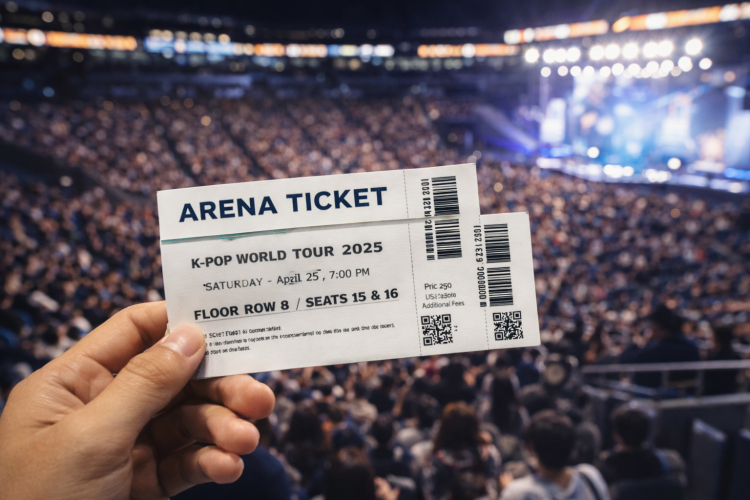
As global demand for K-pop continues to surge, ticket prices in 2026 have become a defining part of the fan experience-and a growing source of confusion.
Unlike traditional concert pricing models, K-pop tours now operate across multiple pricing layers, from standard face-value tickets to premium VIP packages and highly volatile resale markets. For fans, this means that attending the same show can cost anywhere from under $100 to well over $1,000, depending not just on the artist, but on timing, access, and purchasing strategy.
A Market Without a Single Price
There is no single answer to how much a K-pop concert ticket costs in 2026. Instead, the market is structured around tiers, each with its own pricing logic.
At the base level, standard tickets-typically located in upper sections or general seating-remain the most accessible entry point. These tickets generally fall within a lower price band and are released during the initial onsale window.
Closer to the stage, lower bowl and floor seats command a significantly higher price due to proximity and limited supply. Meanwhile, VIP packages occupy an entirely different category, bundling access-based experiences such as early entry, soundcheck sessions, and exclusive merchandise.
Beyond official sales, the resale market introduces an additional layer of price variability, often disconnected from the original ticket value.
Realistic Price Ranges in 2026
While exact pricing varies by artist and venue, industry patterns across major markets such as Seoul, New York, and Sydney reveal consistent ranges:
Standard tickets (upper levels): $80 - $180
Lower bowl / premium seating: $180 - $350
Floor seats: $250 - $500
VIP packages: $400 - $900+
Resale tickets (high-demand shows): $500 - $2,000+
In major cities like New York or Los Angeles, prices often trend toward the higher end due to concentrated demand, while Seoul concerts may offer relatively lower entry points due to venue scale and market structure.
Why K-Pop Tickets Are Priced This Way
The pricing structure reflects more than just popularity-it reflects a shift in how live music is monetized.
First, ticket tiers have effectively turned concerts into multi-product offerings. A single show now includes not only seating categories but also experiential upgrades, allowing promoters to capture value from different segments of the fanbase.
Second, demand has become global and immediate. K-pop fandoms are digitally coordinated and highly responsive, often purchasing across multiple devices and platforms simultaneously. This creates rapid sell-outs and pushes pricing pressure into secondary markets.
Finally, official premium ticketing-where prices adjust based on demand-has blurred the line between primary and secondary markets. Fans are no longer only competing with resellers, but also with dynamic pricing mechanisms built into official platforms.
Are VIP Tickets Actually Worth It?
The answer depends less on price and more on intent.
For fans seeking proximity, exclusivity, and a deeper connection to the event, VIP packages can deliver meaningful value. Early entry and soundcheck access, in particular, offer experiences that standard tickets cannot replicate.
However, not all VIP tiers justify their cost. Some packages offer limited differentiation beyond branding, leading to a growing perception among fans that "VIP" is not always synonymous with "premium experience."
The critical distinction lies in what is included-not what it is called.
The Resale Economy: Demand Without Limits
If official ticket pricing reflects structured demand, the resale market reflects unfiltered demand.
Once a show sells out, resale listings become the primary channel for late buyers. Prices in this market are not set by organizers, but by sellers, and can fluctuate dramatically based on perceived scarcity and fan urgency.
For top-tier acts, resale prices can exceed original ticket values by several multiples, particularly in cities with dense fan populations.
This dynamic has turned resale platforms into a parallel marketplace-one that rewards early access and punishes hesitation.
Is It Cheaper to Buy Early?
In most cases, yes-but only under specific conditions.
Purchasing tickets during the initial onsale or presale phase typically offers the best chance of securing face-value pricing. This is particularly true for standard tickets, which tend to sell out first.
However, early access does not guarantee lower prices across all categories. Premium and VIP tickets may already reflect demand-based pricing, and in some cases, resale prices can soften closer to the event date if supply increases.
The more accurate conclusion is this: buying early reduces risk, but does not eliminate price variability.
A Strategy-Driven Market
What defines the 2026 K-pop ticket market is not just price-it is strategy.
Fans are no longer simply purchasing access to a concert; they are navigating a layered marketplace shaped by timing, technology, and demand intensity.
Those who secure the best value are not necessarily the fastest buyers, but the most informed ones-those who understand the difference between ticket tiers, recognize when to buy, and know when to wait.
Final Word
K-pop concert ticket pricing in 2026 reflects the global scale of the genre itself: dynamic, competitive, and increasingly complex.
For fans, the question is no longer just how much tickets cost-but how to approach buying them.


