

Why K-Pop Concert Tickets Sell Out So Fast: Inside the Global Demand for K-Pop Tours


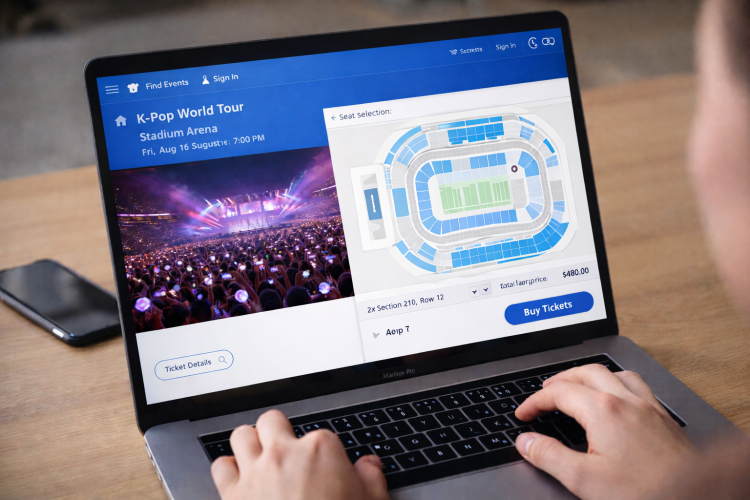
In recent years, K-pop concerts have developed a reputation for selling out within minutes of ticket sales opening. Whether it is a stadium tour by global acts or arena shows by rising groups, fans often face intense competition for seats. This phenomenon is not simply the result of popularity; it reflects a combination of structural factors within the global music industry, fan culture, and modern ticketing systems. Understanding why K-pop tickets disappear so quickly requires examining how fandom, tour planning, and digital ticketing platforms interact.
Global Fandom at Unprecedented Scale
One of the primary reasons K-pop tickets sell out so quickly is the sheer scale and organization of global fandoms. Unlike traditional pop audiences that may be concentrated within a single country, K-pop fanbases are highly international. Groups such as BTS, BLACKPINK, TWICE, SEVENTEEN, and Stray Kids maintain fan communities across Asia, North America, Europe, and Latin America.
These fans are not passive listeners; they actively coordinate through platforms such as Twitter (X), Discord, Weverse, Reddit, and fan community forums. When ticket sales are announced, thousands of fans prepare simultaneously, often sharing strategies on how to navigate presales and queue systems. As a result, demand is concentrated into the exact moment tickets go live, producing a rapid sell-out effect.
In many cases, the number of people attempting to purchase tickets vastly exceeds the number of seats available. For arena concerts that hold 15,000-20,000 people, hundreds of thousands of fans may attempt to enter ticket queues.
Limited Tour Supply Compared to Demand
Another key factor is the limited number of tour dates. Even globally successful K-pop artists often perform far fewer concerts in each region compared to Western touring acts.
There are several reasons for this. K-pop artists typically maintain extremely demanding schedules that include album promotions, television appearances, variety shows, and international activities. Because of this, tour schedules are often tightly structured and limited to major cities.
For example, a K-pop group may perform only one or two nights in cities such as Los Angeles, New York, or London. In contrast, Western artists with comparable demand may schedule five or more shows in the same market. When supply is limited while demand is global, ticket scarcity becomes inevitable.
The Fanclub Presale System
K-pop companies frequently operate fanclub membership systems that grant early access to ticket sales. Platforms such as Weverse Membership or official fanclub registrations allow fans to participate in presales before the general public.
While these presales reward dedicated fans, they also mean that a significant percentage of tickets may already be sold before the public sale begins. In some cases, fanclub presales account for the majority of available inventory. By the time general sales open, only a limited number of seats remain.
For casual fans attempting to purchase tickets during the public sale, this creates the impression that tickets disappear almost instantly.
Ticketing Platform Queues and Digital Competition
Modern ticketing systems also intensify the perception of rapid sell-outs. Major platforms such as Ticketmaster use virtual queue systems designed to manage extremely high traffic volumes. When tens or hundreds of thousands of fans attempt to access ticket sales simultaneously, the system places users in randomized queues.
This means that even fans who arrive early may not receive access to purchase tickets if they are placed further back in the queue. By the time their turn arrives, tickets may already be sold out.
In addition, digital ticketing allows people around the world to participate in the same sale simultaneously. Unlike earlier eras when tickets were sold primarily through physical outlets, online platforms create global competition for the same seats.
The Role of Resale Markets
Secondary ticket markets also play a role in the speed at which concerts sell out. Professional resellers and automated purchasing systems sometimes acquire tickets immediately after sales open, later listing them on resale platforms at significantly higher prices.
This practice, while controversial, further reduces the number of tickets available during the primary sale. As a result, many fans encounter sold-out notices quickly even though tickets later appear on resale platforms.
The Experience Economy of K-Pop Concerts
Beyond technical and structural reasons, the nature of K-pop concerts themselves drives exceptional demand. K-pop shows are often designed as immersive experiences that combine elaborate stage production, synchronized choreography, fan interactions, and multimedia storytelling.
For many fans, attending a K-pop concert is not simply about hearing music live. It is an opportunity to participate in a global fandom culture, wave official lightsticks, and experience a shared moment with thousands of other fans.
Because these events are emotionally meaningful and relatively rare, fans are willing to compete intensely for tickets.
A Reflection of K-Pop's Global Industry Power
The rapid sell-outs of K-pop concerts ultimately reflect the broader transformation of the global music industry. Over the past decade, K-pop has evolved from a regional genre into a worldwide cultural force. Major tours now regularly include North America, Europe, Latin America, and Australia as part of global touring routes.
As international demand continues to grow, competition for tickets will likely remain intense. For promoters and artists, this demand signals the expanding commercial power of K-pop touring. For fans, however, it means that securing tickets will continue to require preparation, timing, and sometimes a bit of luck.
In the modern live music economy, few events illustrate the power of global fandom more clearly than a K-pop concert that sells out in minutes.


