

Conservative Resurgence Shakes Korean Politics as "Fabricated Rebellion" Documentary Launches


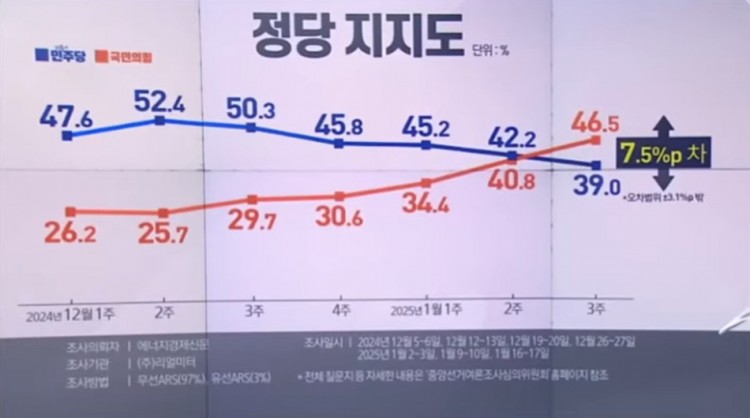
South Korean politics has entered a period of dramatic upheaval following the expulsion of Han Dong-hoon from the People Power Party and the strategic return of activist Jeon Han-gil. Recent polling data reveals a significant shift: the PPP's approval ratings have overtaken the Democratic Party for the first time in months, signaling what supporters call a conservative consolidation driven by renewed commitment to constitutional principles.
The Han Dong-hoon Expulsion Effect
The decision to expel Han Dong-hoon represents what supporters describe as necessary action to restore trust among conservatives who felt betrayed by previous party leadership. The results speak for themselves: since the expulsion, PPP approval ratings have surpassed the Democratic Party-a phenomenon activists attribute directly to removing a figure they viewed as undermining the party from within.
But expulsion alone won't sustain this momentum. The conservative movement recognizes that concrete action on core issues is essential. Top priorities include abolishing early voting to address election security concerns and investigating alleged irregularities in the digital voting system. Without delivering on these commitments, the current polling advantage could evaporate.
The message from the base is clear: no more talk, no more compromise with those who enabled the current crisis. Action or nothing.
"Fabricated Rebellion" Hits Theaters
Coinciding with these political shifts is the nationwide release of the documentary "Fabricated Rebellion" (조작된 내란) on February 4th. Produced by Director Lee Young-don and championed by Jeon Han-gil, the film provides systematic counter-evidence to impeachment attempts against President Yoon Suk-yeol.
Jeon returned to Korea on February 3rd to massive media attention, immediately calling for national mobilization to make the film a box-office success. But this isn't just about ticket sales-it's about ideological transformation. Jeon views the documentary as a "training tool" to educate the public and unify conservative perspectives around constitutional principles.
The film's release timing is strategic: building public support before the crucial February 19th court verdict. If conservatives can demonstrate mass mobilization through box office numbers, it sends a powerful message to judges about public sentiment.
Lee Jae-myung's Nationwide Collapse
While conservatives consolidate, President Lee Jae-myung faces a confidence crisis. Recent polls show his disapproval ratings soaring nationwide-with only the Honam region maintaining support. This represents a stunning reversal for a president barely seven months into his term.
Internal Democratic Party fractures are widening. The passage of the "one person, one vote" rule signals Jung Chung-rae's rising power and the beginning of Lee's premature "lame duck" period. When your own party starts positioning for succession this early, you've already lost control.
Lee's response? Indiscriminate legal warfare against critics. The detention of lawyer Lee Ha-sang and the search and seizure targeting reporter Heo Gyeom of Hanmi Ilbo represent desperate attempts to silence "Constitutional Resistance" voices through authoritarian tactics.
These prosecutions backfire spectacularly. Each arrest validates conservative claims about the administration's authoritarian nature. Each legal action against journalists and lawyers demonstrates the very threats to constitutional order that the movement warns about.
Lee is prosecuting his way into political oblivion while pretending it's law enforcement.
Global Validation Coming
The domestic struggle increasingly connects to global developments. Conservatives are monitoring U.S. FBI investigations into election hardware in Georgia, confident that American findings will eventually validate their claims about South Korea's digital voting vulnerabilities.
This isn't wishful thinking-it's strategic patience. If FBI investigations expose problems with voting systems connected to South Korea's A-WEB and Miru Systems, it provides international credibility to domestic election integrity concerns. The "truth" discovered in America will be undeniable back home.
The Age of Action
Heightened military tension in the Middle East carries symbolic weight for the movement. When the U.S. Navy shoots down Iranian drones near the Strait of Hormuz, it signals that the "age of talk" has ended and the "age of action" has arrived.
The parallel is intentional: just as the U.S. reasserts dominance and secures critical resources (like rare earths in Venezuela), South Korean citizens must act as "Righteous Volunteers" to secure their nation's democratic future. Passivity is no longer acceptable when constitutional order itself is threatened.
This global context provides moral justification for domestic mobilization. If America can take decisive action to protect its interests, Korean conservatives can take decisive action to protect their constitution.
February 19th: The Fate of the Republic
All roads lead to the February 19th court verdict on President Yoon Suk-yeol. The conservative movement describes this as determining the "fate of the Republic"-and they're mobilizing accordingly.
The documentary release provides public education. Testimony from figures like Col. Kim Hyun-tae, who has pledged to reveal the truth about December 3rd martial law events, provides legal ammunition. Mass mobilization demonstrates public support.
Together, these elements aim to exert maximum pressure on the judiciary to uphold what conservatives call the "Constitutional Soul" of the nation. The verdict won't happen in a vacuum-it will occur amid intensive public scrutiny and organized conservative presence.
The Strategic Calculation
This conservative mobilization reflects sophisticated political strategy:
Cultural warfare: Use documentary filmmaking to shape public narrative before legal battles Base consolidation: Remove internal opposition (Han Dong-hoon) to unify movement
Legal preparation: Gather testimony and evidence for court proceedings International alignment: Connect domestic struggles to global democratic alliance Mass mobilization: Demonstrate public support through measurable actions (box office, rallies)
Each element reinforces the others. The documentary educates people who then mobilize. Mobilization creates political pressure that influences legal outcomes. Legal victories validate the movement and attract more supporters.
Lee's Impossible Position
President Lee faces a strategic trap with no good exits:
Option 1: Escalate legal warfare. Each prosecution proves conservative claims about authoritarianism, driving more people to the movement.
Option 2: Back down. Admitting mistakes or reducing prosecutions looks like weakness and emboldens opposition.
Option 3: Seek compromise. His base won't accept it, conservatives won't trust it, and it solves nothing.
Meanwhile, his approval collapses, his party fractures, international pressure intensifies, and conservatives gain momentum. The clock runs toward February 19th, and Lee has no play that improves his position.
What's at Stake
This isn't just about personalities or parties. It's about whether South Korea maintains constitutional democratic governance or slides toward the authoritarian model that Lee's actions increasingly resemble.
The conservative movement frames this as existential: either restore constitutional order now, or watch it disappear permanently under an administration that jails pastors, harasses American companies, raids pension funds, and prosecutes journalists.
From this perspective, compromise isn't possible. You don't negotiate with those actively dismantling constitutional order-you resist them through every legal means available.
The Momentum Shift
Recent developments suggest momentum favoring conservatives:
- PPP approval overtakes Democratic Party for first time in months
- Han Dong-hoon expulsion unifies rather than divides the party
- Documentary provides narrative counter-offensive
- Lee's legal warfare backfires, creating martyrs
- International pressure on Lee government intensifies
- February 19th verdict approaches with organized conservative mobilization
Whether this momentum sustains depends on execution. Can conservatives maintain unity? Will the documentary achieve its educational goals? Does testimony at trial prove compelling? Will judges feel public pressure?
The next two weeks determine whether this is a genuine political realignment or a temporary polling fluctuation.
A Second Founding?
Activists describe their goal as a "Second Founding of the Republic"-not merely changing administrations but fundamentally restoring constitutional principles they believe Lee's government has abandoned.
This rhetoric isn't accidental. It frames current struggles as comparable to Korea's founding democratic transition, elevating stakes and justifying extraordinary mobilization.
Whether that framing proves persuasive depends on how February 19th unfolds and whether conservatives can translate current momentum into lasting institutional change.
What's clear is that South Korean politics has entered its most volatile period in years, with both sides viewing the outcome as determining the nation's democratic future for decades to come.


