

K-Pop Concerts Canceled in Hong Kong and Macau as China's Anti-Japan Restrictions Hit Groups With Japanese Members


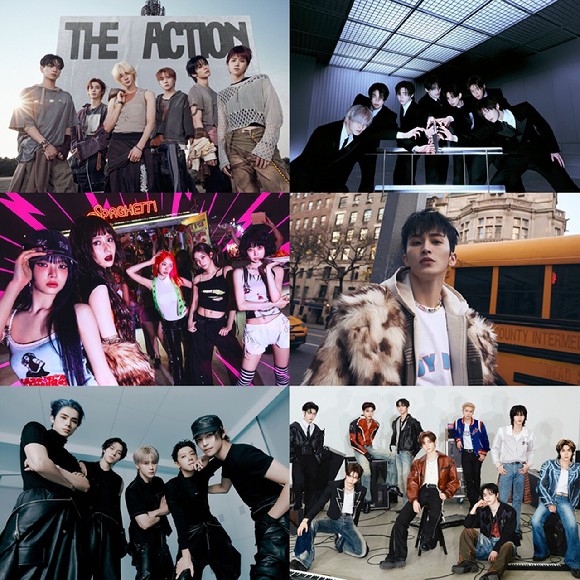
Two major K-pop events in Chinese territories collapsed within 24 hours this week, exposing how Beijing's political warfare against Japan is damaging Korean entertainment and punishing fans across Asia.
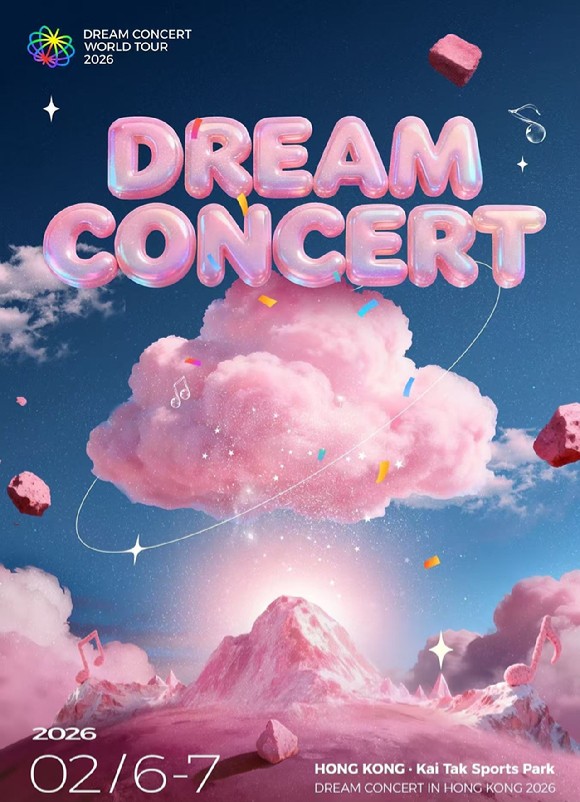
MBC announced on January 28 that "Show! Music Core in Macau" was canceled just 10 days before the scheduled February 7-8 performances. The next day, the Korea Entertainment Producers Association revealed that "Dream Concert 2026 in Hong Kong," planned for February 6-7 at Kai Tak Stadium, had been postponed indefinitely after the Chinese organizer unilaterally pulled out.
Industry sources point to China's emerging "han-il령" (限日令)-a ban on Japanese cultural content-as the real reason behind both cancellations.
Visa Denials Target Japanese K-Pop Idols
Multiple K-pop groups scheduled for Music Core in Macau couldn't get visas for their Japanese members, according to Korean media reports. The lineup included ENHYPEN, LE SSERAFIM, and ZEROBASEONE-all groups with Japanese members.
MBC cited only "local circumstances and overall logistical conditions" in its official statement, carefully avoiding any mention of China's political restrictions. But the pattern is clear: Chinese authorities have systematically blocked Japanese nationals from entering for cultural events since late 2025.
The crackdown started after Japanese Prime Minister Sanae Takaichi stated in November that Chinese military action against Taiwan could threaten Japan's survival. Instead of diplomatic engagement, Beijing responded with cultural blacklisting-canceling Japanese concerts, blocking film screenings, and denying visas to artists.
Chinese venues received orders to cancel all Japanese performances through 2025 and stop processing 2026 permit applications, Reuters reported. Japanese bassist Yoshio Suzuki had his Beijing concert shut down mid-soundcheck by plainclothes officers. Singer Maki Otsuki was pulled off stage during the Bandai Namco Festival in Shanghai.
Dream Concert's Unilateral Cancellation
The Dream Concert cancellation was even more abrupt. The Korea Entertainment Producers Association said it received "a unilateral postponement notice without prior consultation or sufficient explanation" from Chinese partner Changsha Tonggu Culture Co.
KEPA didn't hold back in its response, stating the cancellation "contradicts the purpose of expanding cultural exchange" and suggesting it's "not unrelated to the complex problems intertwined with the overall Korea-China cultural exchange environment."
The concert was supposed to mark a breakthrough moment-the first major K-pop event broadcast nationwide in China via Hunan Television since 2017. Artists including EXO-CBX (Chen, Baekhyun, Xiumin), Taemin, THE BOYZ, Hwasa, and BamBam had been announced.
KEPA is now reviewing legal action and considering how to determine responsibility for the contract breach.
China's Cultural Blackmail Playbook
This isn't Beijing's first time weaponizing culture against perceived enemies. The Chinese Communist Party has maintained an unofficial "Hallyu ban" against Korean entertainment since 2016, when South Korea deployed THAAD missile defenses against North Korean threats.
For nearly a decade, BTS, BLACKPINK, SEVENTEEN, and other major K-pop acts haven't been allowed to hold large-scale concerts in mainland China. Korean dramas face restrictions. Fan meetings get canceled without explanation.
Now Japanese artists and K-pop idols with Japanese members are getting the same treatment. Groups like LE SSERAFIM (member Sakura is Japanese) had a Shanghai fan meeting canceled in December under "force majeure" claims. Boy group Close Your Eyes held a Hangzhou event with Japanese member Kenshin mysteriously absent. A fan meeting for trainees with Japanese members was canceled hours before it started.
K-pop's multinational lineups-Japanese, Chinese, Thai, American members working together-represent exactly the kind of cross-border collaboration that authoritarian regimes can't tolerate. These groups embody values Beijing actively suppresses: diversity, individual expression, and cultural exchange free from political control.
The Pattern Continues
Both cancellations fit a troubling pattern. Last September, a Dream Concert planned for Hainan was postponed indefinitely after organizers couldn't secure Chinese government approval. In November, a Kep1er fan meeting in China was canceled with no clear explanation. Multiple other K-pop events in China have quietly disappeared from schedules.
The timing is particularly cruel. These cancellations came just months after optimism about Korea-China cultural exchange following the November 2025 summit between Presidents Lee Jae Myung and Xi Jinping. Industry executives and fans hoped Beijing might finally ease restrictions.
Instead, the Chinese government demonstrated that it never abandoned its practice of using cultural access as a weapon. It just waited for the next opportunity.
What This Means For K-Pop
Korean entertainment companies now face an impossible choice. Many have invested heavily in Chinese-speaking members and Mandarin content, betting on eventual access to the massive Chinese market. Groups like WayV (NCT's Chinese unit) exist specifically for this market.
But Beijing has made clear that no amount of cultural accommodation guarantees access. Political winds can shift overnight. Contracts mean nothing when the Chinese government decides otherwise.
The fundamental problem isn't Korean or Japanese-it's that democratic values and authoritarian control can't coexist. Artists who speak freely, express themselves authentically, and collaborate across borders threaten regimes that demand absolute control over public discourse.
MBC said it will "review the possibility of rescheduling the show once a more stable environment is in place." But when authoritarian governments control cultural access, stability never comes-just unpredictable cycles of restriction and selective opening.
For fans in China and Hong Kong who bought tickets and waited years for these concerts, the message from their own government is clear: political compliance matters more than their happiness. That's the reality of living under authoritarian rule.


