

Nationwide Protests Erupt Across South Korea Amid Claims of Media Blackout


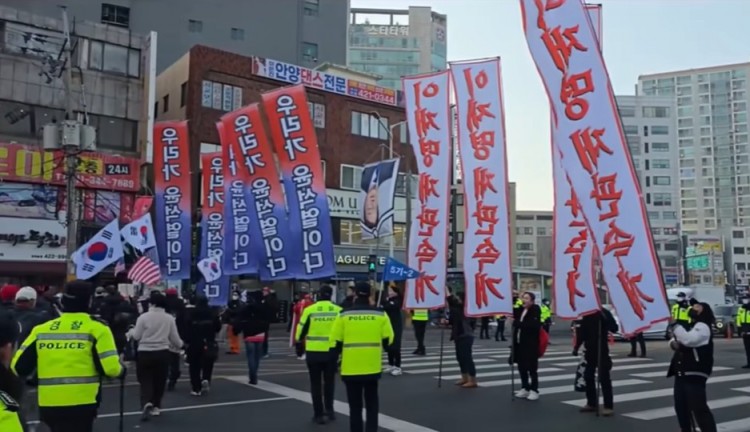
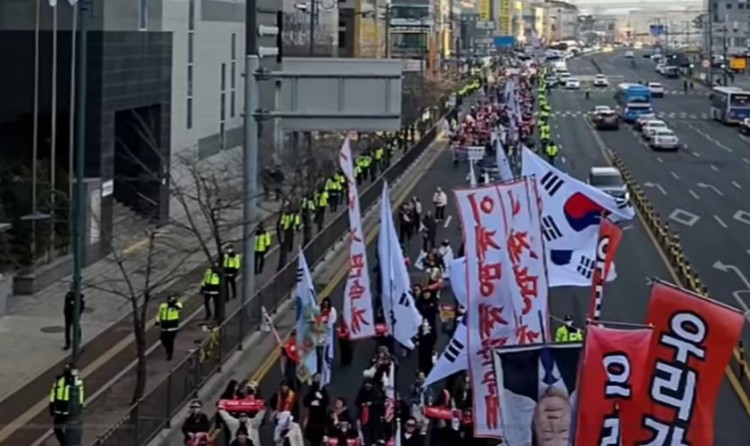
On January 10, a wave of coordinated demonstrations swept through major cities across South Korea, with organizers and participants claiming that mainstream media outlets are intentionally ignoring a growing movement of national unrest. According to reports from independent media sources, dozens of rallies were held simultaneously to demand judicial reforms, election integrity, and political accountability.
Major Demonstrations in the Capital
In Seoul, at least eight distinct protest sites were identified. A significant gathering took place at the west gate of the Seoul Central District Court, where members of "Jayu University" held a rally on the fourth day of a hunger strike, calling for the dismissal of what they term "political trials".
Other notable activities in the capital included:
- Gwanghwamun: A large-scale "National Convention" organized by patriotic groups.
- Seoul Station Square: Protests focused on alleged foreign interference in national elections, with participants calling for the expulsion of "China" from the electoral process.
- Gangnam and Sinnonhyeon Stations: Distribution of pamphlets and rallies centered on the dismissal of political litigation.
- Gyodae and Hongdae: Continued marches and demonstrations demanding the resumption of trials for Lee Jae-myung and the nullification of past impeachments .
Regional Mobilization Gains Momentum
The fervor was reported to be even more intense outside of Seoul, with 14 different locations hosting protests across the provinces. In Busan, groups gathered to demand the release of President Yoon Suk-yeol, while in Daegu, protesters held press conferences calling for the removal of Han Dong-hoon from his political position.
Other regional activities included:
- Daejeon and Cheongju: "Enlightenment marches" and rallies condemning specific political figures.
- Gwangju: Academic lectures hosted by conservative groups at Gwangju University.
- Pohang and Jinju: "Freedom Marches" and rallies focusing on local political issues and national sovereignty.
Claims of Political Instability and Media Silence
The source asserts that despite the scale and intensity of these gatherings, mainstream media has remained silent, a move described by commentators as a failure of the press. The source emphasized that the country is currently "shaking" and suggested that the very foundations of the current political leadership are being threatened by the escalating frequency and strength of these protests.
As of now, these demonstrations continue to reflect a deeply polarized public sentiment regarding the country's judicial and electoral systems.
Anti-government protests in South Korea


