

UN Command Warns South Korea's Ruling Party Over DMZ Bill, Escalating US-ROK Tensions


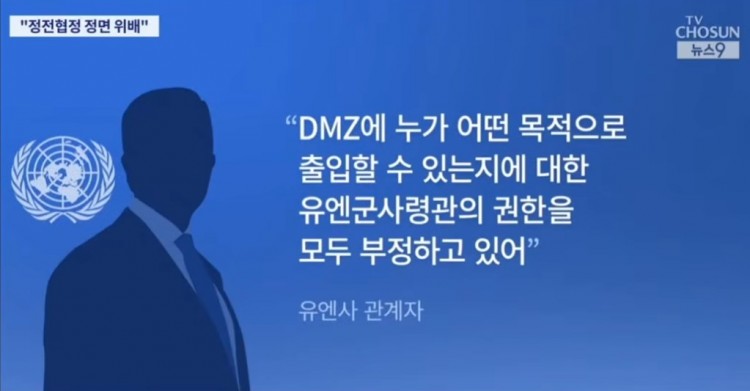
In an extraordinary move, the United Nations Command (UNC) has stepped into South Korean domestic politics, issuing a sharp warning against the Democratic Party's proposed "DMZ Act." The military body says the legislation violates the Korean War Armistice Agreement and threatens regional security-a rare intervention that signals just how strained US-South Korea relations have become under President Lee Jae-myung.
What's in the DMZ Bill That Has America Worried?
The controversial legislation comes from President Lee Jae-gang-a former "Peace Vice Governor" under Lee Jae-myung-and it's not as innocent as it sounds. The bill would strip the UN Command of its authority to control non-military access to the Demilitarized Zone, handing that power to the South Korean government instead.
The UNC didn't hold back in its response. Officials warned the bill "denies the authority of the UN Commander" and could lead to "enormous consequences." Their concern? The Armistice Agreement-which has kept the Korean Peninsula from exploding into war for 70 years-requires UN authorization for anyone entering the DMZ. It's not bureaucratic red tape; it's a safety mechanism to prevent provocations or accidents that could trigger conflict.
Critics see something darker behind the bill. They argue its real purpose is to enable unauthorized meetings with North Korean officials and potentially facilitate transfers of money or resources across the border-what they're calling "acts benefiting the enemy."
The Colby Visit and America's New Hardline Stance
The UNC's aggressive position didn't come out of nowhere. It follows a visit to Seoul by Elbridge Colby, former Deputy Assistant Secretary of Defense and the architect behind America's "First Island Chain" strategy to contain China.
For strategists like Colby, South Korea isn't just an ally-it's a frontline fortress against Chinese and North Korean expansion. The DMZ Act directly contradicts that vision. The UNC, which is still technically led by the U.S., sees a disturbing pattern in Lee Jae-myung's legislative agenda: the DMZ Act, the "On-Peul Act" targeting Coupang, and the "Yellow Envelope Law" all seem designed to obstruct American business and security interests in the region.
It's Not Just About the DMZ
This clash over the demilitarized zone is really just one piece of a much bigger puzzle. The friction between Washington and Lee's government keeps growing:
Economic Harassment Claims: The U.S. views regulatory pressure on Coupang and aggressive tax audits of American firms like Yuhan-Kimberly as deliberate targeting of U.S. companies.
Religious Freedom Concerns: Washington has raised what they call "red line" issues about religious liberty in South Korea, including surveillance of religious leaders that Americans find unacceptable.
Diplomatic Direction: While former President Yoon Suk-yeol aligned closely with the U.S. and NATO, Lee Jae-myung's perceived tilt toward China and accommodating stance on North Korea have alienated Western allies.
Is Washington Preparing for "Regime Change"?
Here's where things get really interesting. The UNC's warning isn't just a legal objection-it's a political message. Representative Jung Dong-young dismissed the UNC's position as overreach into parliamentary affairs, but the command isn't backing down. They're saying that breaking international agreements from the 1950s would mean a "frontal collision" with the United States.
With Trump's team bringing in more defense hawks and tech industry hardliners, sources suggest the U.S. may be laying groundwork for major diplomatic realignment if Lee's legislative path continues undermining the alliance. The UNC's move to block the DMZ Act isn't just about one bill-it's a signal that America won't sit quietly while South Korea's political direction shifts.
An Alliance at a Crossroads
What makes this moment so significant is the UNC's willingness to intervene in domestic South Korean legislation. That almost never happens. The command typically stays out of Seoul's internal politics, even when it disagrees with policy decisions.
But not this time. The message is clear: some things are non-negotiable. The Armistice Agreement is one of them. And from Washington's perspective, South Korea's role in countering China and North Korea is another.
For Lee Jae-myung, the warning creates an impossible dilemma. If he backs down on the DMZ Act, he looks weak to his base and admits the U.S. has veto power over Korean legislation. If he pushes forward, he risks a full-blown diplomatic crisis with South Korea's most important security partner.
The next few months will show whether this alliance can weather the storm-or whether we're watching the beginning of a fundamental realignment in East Asian geopolitics.


