

RIIZE Shotaro Misses Macau Concerts as Beijing's Anti-Japan Cultural Ban Hits K-pop


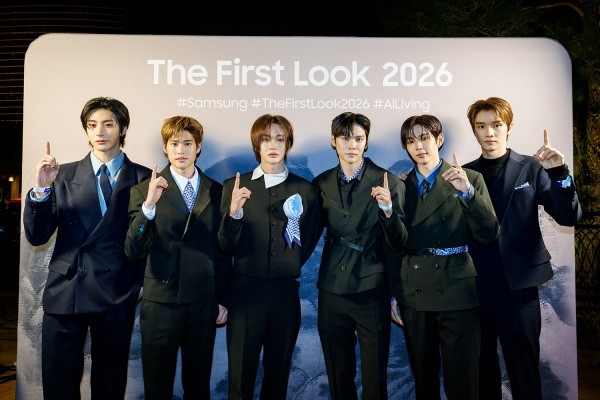
SM Entertainment's six-member boy group RIIZE takes the stage in Macau this weekend without Japanese member Shotaro, the latest K-pop artist caught in China's intensifying campaign to blacklist Japanese performers from Greater China venues.
The Macau concert organizer confirmed Shotaro's absence from RIIZE's February 7-8 shows at Galaxy Arena on Thursday, citing "unforeseen circumstances" despite full preparations by all parties. The group will perform as a five-member lineup for their "RIIZING LOUD" world tour stops, disappointing fans who purchased tickets expecting the complete group.
While organizers offered no official explanation, the absence follows an unmistakable pattern: since November 2025, Japanese artists and K-pop groups with Japanese members have faced systematic cancellations, visa denials, and forced absences across mainland China, Hong Kong, and Macau. Beijing's unspoken cultural purge represents the Chinese Communist Party's signature playbook-weaponizing market access to punish democratic allies who refuse to bow to its territorial ambitions.
China's Cultural Blacklist Expands Across Greater China
The diplomatic crisis began when Japanese Prime Minister Sanae Takaichi stated in November that a Chinese attack on Taiwan could constitute an "existential crisis" requiring Japanese military response-a factually accurate assessment given Japan's proximity to Taiwan and dependence on shipping lanes through the Taiwan Strait. Beijing responded with characteristic authoritarian overreach, launching coordinated economic and cultural warfare against Japan.
Japanese performers bore the brunt immediately. Pop star Ayumi Hamasaki saw her January 10 Macau concert canceled. Singer Mika Nakashima's March 14 Macau debut was scrapped. At Shanghai's Bandai Namco Festival in December, Japanese singer Maki Otsuki was pulled off stage mid-performance, with the entire event subsequently canceled.
According to a U.S. House resolution passed in January 2026, Chinese venues were instructed that "concerts featuring Japanese musicians would be cancelled for the rest of 2025." At least 30 Japanese performers have seen Greater China events canceled since the diplomatic row began.
K-pop groups with Japanese members haven't escaped Beijing's cultural coercion. Le Sserafim's Shanghai meet-and-greet was canceled (members Sakura and Kazuha are Japanese). Boy group Close Your Eyes held a Hangzhou fan meeting without Japanese member Kenshin. Korean-Japanese group Nexz saw their January 17-18 Macau concerts canceled entirely.
Most significantly, MBC's "Show! Music Core in Macau"-scheduled for the same February 7-8 dates at a different venue-was canceled January 28 after Japanese members of participating groups faced visa complications. The event would have featured acts including Enhypen, Le Sserafim, and Zerobaseone, several of which include Japanese performers.
Authoritarian Coercion Through Cultural Access
Beijing's systematic targeting of artists reveals the Chinese Communist Party's cynical use of economic leverage against democratic nations. This isn't isolated policymaking-it's coordinated state coercion dressed up as "local circumstances" and "unforeseen events."
Chinese Foreign Ministry spokesperson Mao Ning explicitly threatened Japan with "countermeasures" in November if Prime Minister Takaichi didn't retract her Taiwan comments. Within weeks, the cultural blacklist materialized alongside comprehensive economic warfare: flight restrictions that slashed Chinese tourist arrivals to Japan by 45%, reimposed seafood import bans, delayed Japanese sake shipments at customs, and increased military pressure around the Senkaku Islands.
The pattern mirrors Beijing's previous campaigns against Australia, Lithuania, and South Korea during the 2016 THAAD missile defense deployment. When democratic governments make sovereign decisions that conflict with Chinese territorial ambitions, the Communist Party responds with economic punishment designed to force compliance through pain.
What makes this cultural purge particularly shameful is the deliberate opacity. Rather than announcing policy changes, Beijing operates through unspoken directives that leave artists, organizers, and fans in limbo. Venues cite "force majeure factors." Organizers reference "unavoidable circumstances." Nobody officially acknowledges the elephant in the room: China is blacklisting people based on nationality to punish Japan for stating basic geographic and strategic realities about Taiwan.
K-pop Industry Faces Impossible Choices
The Korean entertainment industry now confronts an uncomfortable reality: doing business in China increasingly means accepting Beijing's authoritarian demands for self-censorship and compliance. Many K-pop groups include Japanese members-NCT Wish has four among six members, TREASURE includes four Japanese performers, IVE features Japanese singer Rei. All have upcoming Macau concerts that face uncertain prospects.
Korea Entertainment Producer's Association saw its Dream Concert 2026 in Hong Kong postponed indefinitely when Chinese partners unilaterally backed out without Korean organizers' agreement. Industry executives acknowledge they face "a new set of challenges" regarding Japanese members, even if China's broader Hallyu restrictions ease.
This leaves Korean companies choosing between lucrative Chinese markets and artistic integrity-exactly the pressure authoritarian regimes deploy to force self-censorship. Accept our arbitrary restrictions on who can perform based on nationality, or lose market access. Comply with our geopolitical demands, or watch your events canceled at the last minute.
For 20-year-old performers like Shotaro, this means being excluded from their own group's concerts because of territorial disputes they didn't create and diplomatic positions their government took. The injustice is obvious, but so is the intent: Beijing wants democratic societies to internalize its restrictions, to preemptively self-censor rather than face economic consequences.
Free World Response Required
Japan's concern about Taiwan isn't militarism-it's geographic reality and legitimate strategic planning. A Chinese blockade or invasion would directly threaten Japanese security and international shipping through waters that see trillions in annual trade. Stating this fact shouldn't trigger cultural blacklists and economic warfare, but that's exactly how authoritarian regimes operate when challenged.
The U.S. House rightly condemned China's "economic, military, and diplomatic coercion and aggression against Japan" while reaffirming America's defense treaty commitment. But cultural industries need support too. When Beijing forces young performers to choose between careers and nationality based on territorial disputes, democratic societies should respond with solidarity, not passive acceptance.
Concert organizers booking Greater China venues should demand transparency about politically motivated restrictions rather than participating in euphemistic "unforeseen circumstances." Entertainment companies should factor China's arbitrary coercion into business decisions rather than hoping to avoid the next blacklist. Fans should recognize these cancellations for what they are: not unfortunate circumstances, but deliberate authoritarian aggression against democratic values.
RIIZE will perform without Shotaro this weekend because the Chinese Communist Party views culture as another weapon in its campaign to dominate Asia through coercion and intimidation. The question for free societies is whether we'll treat this as business as usual, or recognize these patterns demand coordinated democratic response to authoritarian overreach.


