

KOSPI 5,000 Breakthrough: Global AI Boom Drives Rally, Not Presidential Leadership


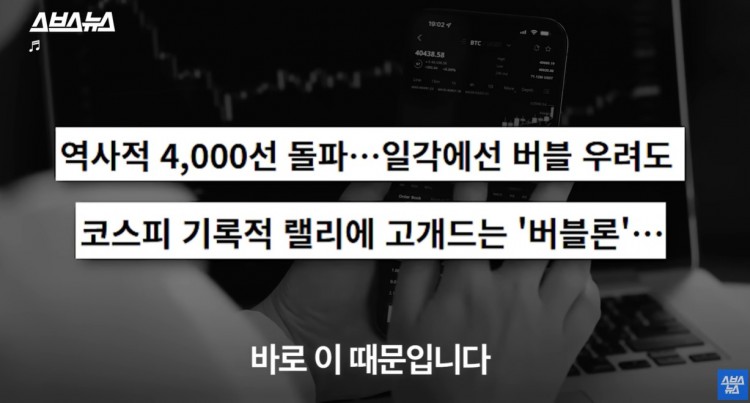
South Korea's benchmark KOSPI index surged past the historic 5,000 mark on January 22, 2026, but market analysts and critics argue that President Lee Jae-myung's Democratic Party government is overstating its role in the achievement. The milestone, driven primarily by the global artificial intelligence boom and semiconductor giants Samsung Electronics and SK Hynix, comes as South Korea's broader economy faces significant headwinds including negative GDP growth and record youth joblessness.
The Semiconductor Surge Behind KOSPI's Rise
The KOSPI briefly touched 5,019.54 during Thursday trading before closing at 4,952.53, marking the first time the index breached the 5,000 threshold. The rally extended 2025's remarkable 76% annual gain-the best performance among major global markets and South Korea's strongest showing since 1999.
Samsung Electronics and SK Hynix emerged as the undisputed drivers of this extraordinary performance. The two chipmakers now account for approximately 35% of KOSPI's total market capitalization, with their combined market value surpassing 1,000 trillion won. According to market data, these semiconductor giants contributed roughly 49% of the total market cap increase during 2025.
The surge stems from what industry observers call the "Nvidia effect"-exploding global demand for high-bandwidth memory (HBM) chips essential to AI infrastructure development. SK Hynix, the leading supplier of HBM chips to Nvidia, saw its shares skyrocket 274% in 2025, while Samsung Electronics gained 125% as both companies capitalized on the AI-driven memory chip shortage.
"The KOSPI rally is fundamentally about semiconductors and global AI demand, not domestic policy achievements," said Lee Kyung-min, analyst at Daishin Securities. "Similar patterns emerged in Taiwan with TSMC benefiting from Nvidia partnerships-this is a global industry trend, not a Korean political success story."
Economic Reality Contradicts Rosy Narrative
Despite the soaring stock index, South Korea's real economy tells a starkly different story. The country's GDP unexpectedly contracted 0.3% in the fourth quarter of 2025, marking the sharpest quarterly decline in three years and contradicting the government's optimistic forecasts.
For the full year 2025, South Korea's economy grew just 1.0%-the slowest expansion since the pandemic-stricken year of 2020 and well below the country's potential growth rate of 1.8%. The Bank of Korea cited weakening domestic demand, a sharp construction sector slump, and declining non-semiconductor exports as primary factors.
The youth employment crisis has reached alarming proportions. More than 700,000 young people aged 20-39 are now classified as economically inactive, having given up job searching entirely-the highest level on record. Youth employment has declined for 19 consecutive months through November 2025, even as the headline unemployment rate appears stable.
"The employment rate for those aged 15-29 fell to 44.3% in November-below the rate for people over 60," noted a Korea Herald editorial. "These are not the metrics of a thriving economy."
Large corporations shed approximately 80,000 positions in 2025, the steepest decline on record, while small and medium-sized firms posted their first net job losses since data collection began. The disconnect between stock market euphoria and labor market struggles has intensified public frustration.
Questions About Government Economic Policy
President Lee's administration has pursued aggressive stimulus measures, including a controversial 13 trillion won consumption voucher program as part of a 30.5 trillion won supplementary budget. Critics argue these policies have failed to deliver meaningful economic benefits while contributing to inflationary pressures and currency weakness.
The Korean won has remained under pressure throughout 2025, with exchange rates reaching levels not seen since the 1997 IMF financial crisis. This currency weakness increases import costs and squeezes small businesses dependent on foreign raw materials.
Conservative opposition lawmakers have strongly criticized the government's approach. "The real engine behind the stock market's rise was not the government, but the efforts of Korean companies that, even in difficult conditions, have staked their survival on strengthening competitiveness," said Rep. Jeong Jeom-sik of the People Power Party.
The opposition has also warned that Lee's "Yellow Envelope Act"-expanding labor protections-could increase business uncertainty and dampen corporate investment, potentially threatening the stability of the market rally.
Corporate Success Despite, Not Because of, Policy
Market observers emphasize that Samsung and SK Hynix's technological prowess resulted from decades of infrastructure investment and R&D commitment that predates the current administration. Both companies began positioning themselves for the AI era years before Lee took office in June 2025.
"Attributing this success to seven months of Lee's presidency ignores the long-term investments and technological capabilities these companies built over decades," said one market strategist who requested anonymity. "If anything, concerns about increased regulatory burdens and labor market rigidity under the new administration may have dampened what could have been an even stronger rally."
The concentration of gains in semiconductor stocks has raised concerns about market sustainability. While tech giants soared, other sectors including construction, steel, and traditional manufacturing struggled under pressure from cheap Chinese imports and high interest rates.
Financial stability concerns are mounting as margin trading (credit-based stock purchases) reached record highs. Analysts warn that if the AI boom cools or Nvidia's growth trajectory slows, South Korea could face a significant market correction given the extreme concentration in semiconductor stocks.
Looking Ahead: Structural Challenges Remain
As the KOSPI enters uncharted territory above 5,000, fundamental questions about South Korea's economic structure persist. The extreme dependence on a narrow semiconductor boom, combined with weakening domestic consumption, declining construction activity, and persistent youth joblessness, suggests the rally's foundation may be more fragile than headline numbers indicate.
"We're witnessing a tale of two economies," observed Kim Dae-kwon, chief investment officer at Life Asset Management. "Tech companies are printing record profits on AI demand, while ordinary businesses and workers face one of the toughest environments in years. That gap needs policy attention, not just celebration of stock indices."
The Lee administration faces the challenge of translating semiconductor-sector success into broader economic prosperity while managing fiscal pressures, addressing youth unemployment, and maintaining business confidence amid planned regulatory expansions.
For now, market participants remain optimistic about continued semiconductor strength, with major investment banks projecting further KOSPI gains in 2026. However, critics argue that sustainable economic growth requires more than riding a global industry wave-it demands policies that support diverse sectors, create quality jobs for young people, and foster genuine business confidence beyond a handful of tech giants.
The KOSPI 5,000 milestone represents a remarkable achievement for South Korea's capital markets. Whether it reflects the beginning of a new economic era or an unsustainable rally concentrated in a single hot sector remains the critical question facing policymakers and investors alike.


