

BTS, Busan Asiad Main Stadium (June 12–13) — The City Remembered


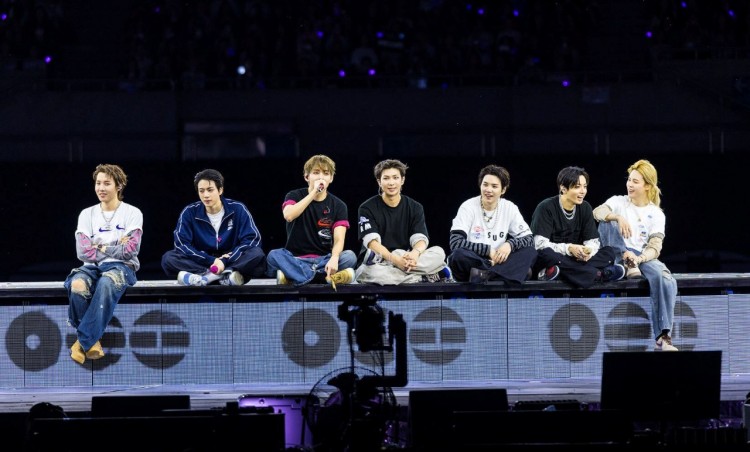
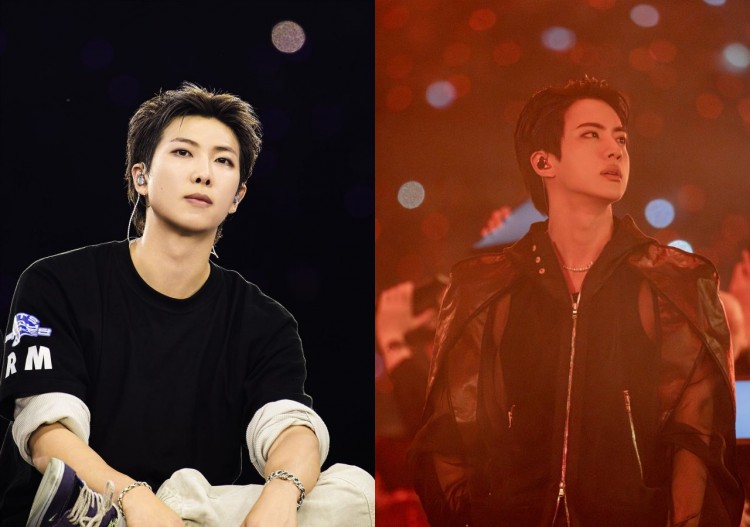
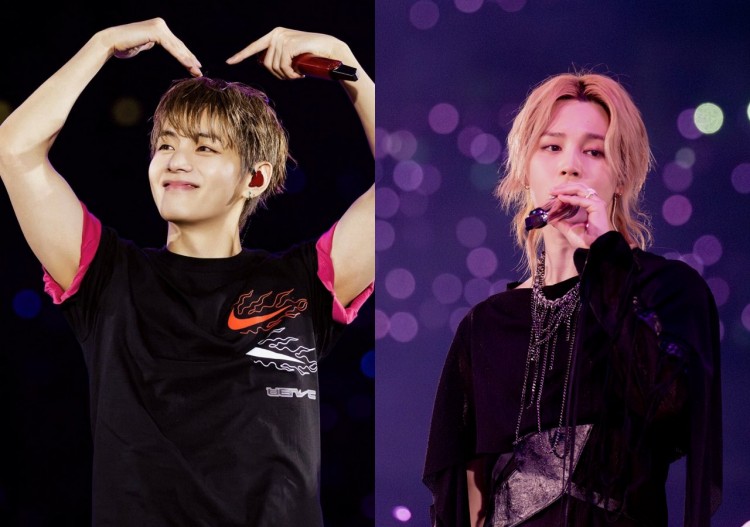
The night before a concert, Jimin uploaded photos to Instagram. Jin replied in the comments: "Is this the time to be posting on Insta?" It was a small exchange, the kind of thing that gets screenshotted and shared a thousand times. But it also captured something real: seven people who had spent the past four years apart, now together again in the city where two of them grew up, with 50,000 people about to wait outside in the heat while the gates jammed.
That's how the Busan leg of BTS's Arirang World Tour opened - with a 75-minute delay, a corporate apology on Weverse, and Jimin posting photos. By the time the group finally walked out at 8:15 p.m. on June 12, the crowd had been standing in 28-degree heat for hours. What happened across the next two nights, and particularly on Day 2 - which fell on the group's 13th debut anniversary - was a demonstration of why 110,000 people showed up anyway.
A note on sourcing: this review is based on press accounts, setlist documentation, and fan reports from both nights. I was not in the stadium.
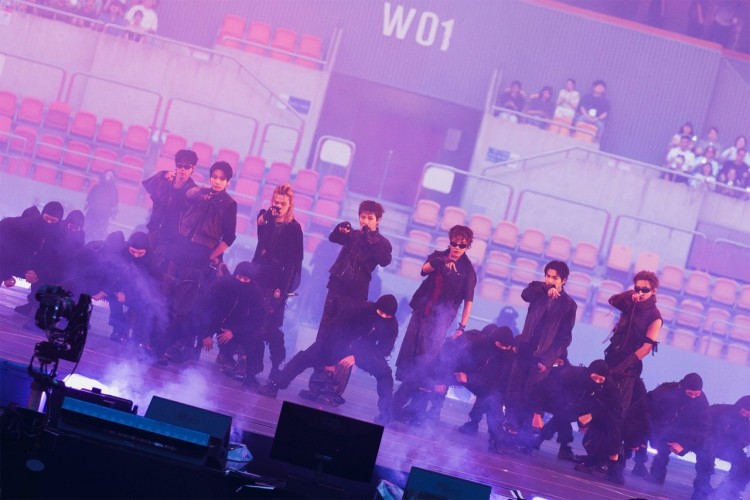
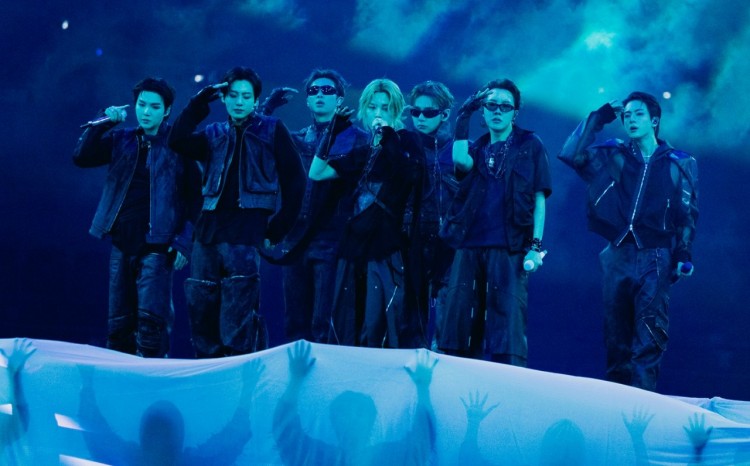
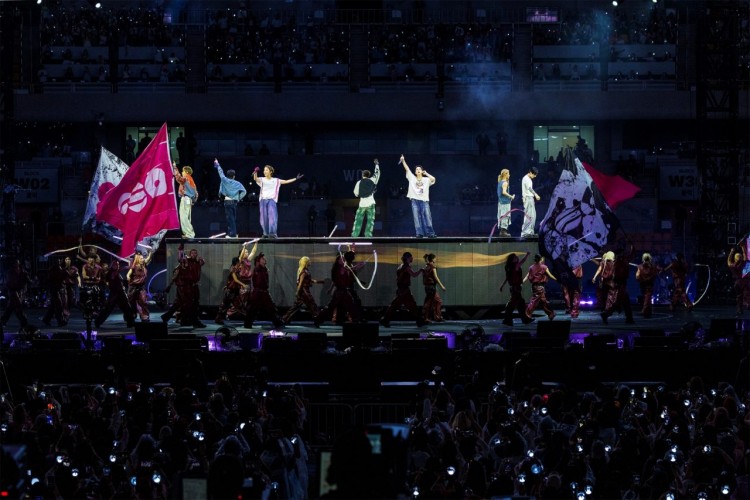
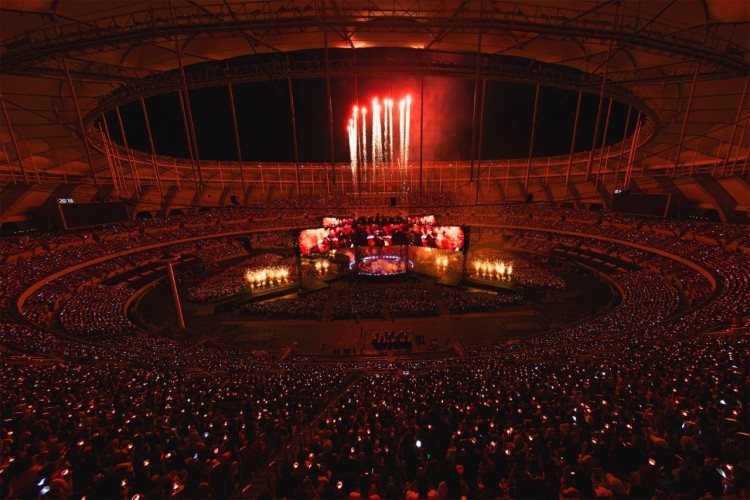
The Arirang tour's core show is already established, having run since April through Goyang, Tokyo, Tampa, and Las Vegas. The 360-degree in-the-round stage, the catwalk extensions, the pyrotechnics synced to "Hooligan"'s percussion, the FYA/Fire medley that collapses four years of solo output and a decade-old anthem into a single sequence - these are known quantities now. Busan didn't rebuild the show. What it did was give the show a specific weight that a generic stadium stop can't manufacture.
"Hooligan" opened both nights, as it does across the tour. In Busan, the framing changed. The stadium sits less than two kilometers from where Jimin attended middle school. The city's bridges had been lit in the album's red color for a week. Day 1's random song section pulled out "Paldo Gangsan" - a 2013 track built on Korean regional dialects and rap pride, rarely performed - and "Ma City," Jimin's 2015 ode to his hometown, with lyrics reportedly adjusted on the night to name specific Busan neighborhoods. That's not the kind of thing you can replicate in Vegas or Tampa. The songs mean something different when the city they're about is the one outside the stadium walls.
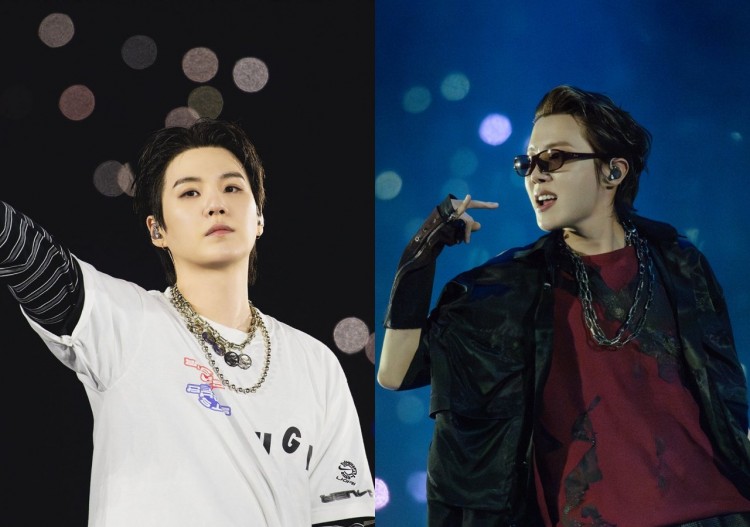
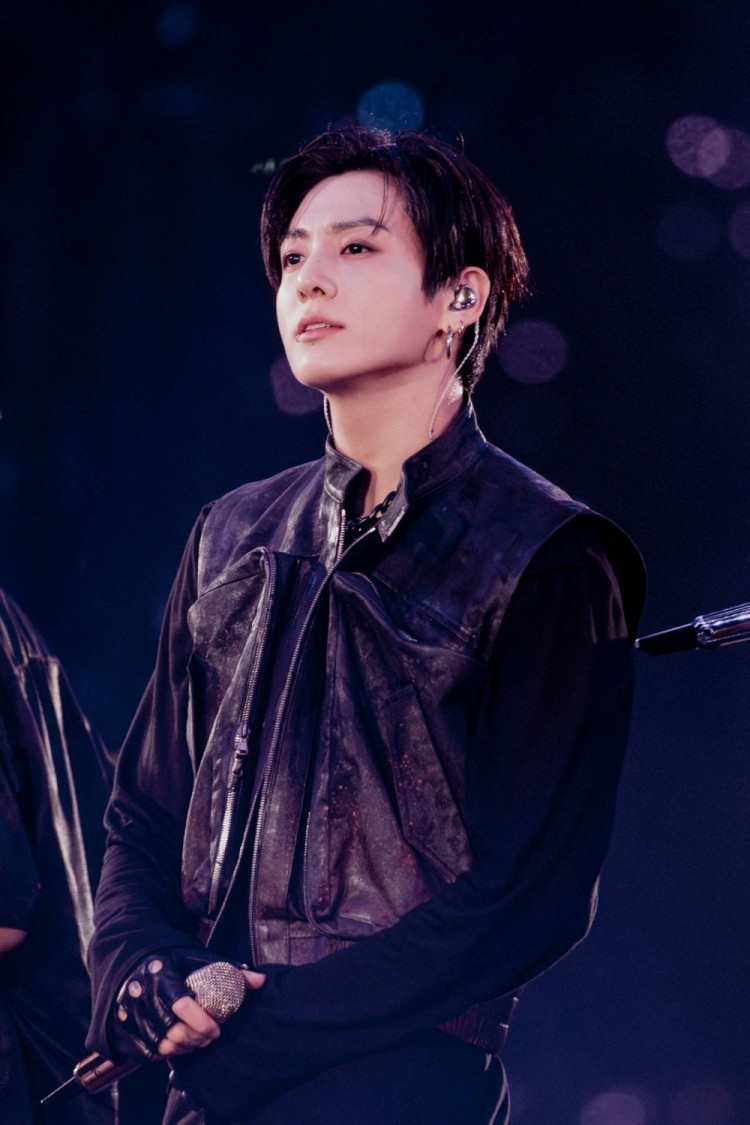
Day 2 is where the run found its best version of itself. The unit performances - the vocal line (Jin, Jimin, V, Jungkook) delivering "Dimple," the rap line (RM, Suga, J-Hope) performing "Ddaeng" - were the night's most concentrated moments. Both tracks are deep catalog, associated with specific eras and specific configurations. Hearing "Ddaeng" on a stadium stage in 2026, performed by three members who collectively carried much of BTS's critical credibility through the solo years, hit differently than it would have mid-tour in any other city.
The Korea Times reported that all seven performed with handheld microphones throughout, delivering live vocals without flagging. That's a hard standard across a show this long, with choreography this physically demanding, and in a context where the emotional register stays elevated from the first song to the last. The production kept pace: fireworks in waves, water cannons drenching the standing section at key moments - the kind of staging that in video clips looks excessive but in a stadium creates the physical punctuation a two-hour show needs to maintain intensity.
The new material held up. "Come Over," released the morning of Day 2, had its world premiere that night. The Korea Times described phones flooding the arena with light during the song - a crowd reacting to something hours old in the way crowds usually only respond to material they've known for years. That's partly a testament to how quickly ARMY absorbs new music, but it also says something about where "Come Over" sits in the album's emotional structure: it's the kind of song that works in a stadium even before people have memorized it. "One More Night," the unannounced surprise song, closed the main set before "Into the Sun" brought the house down for the finale.
What the Busan run didn't fully escape was its own logistics. The Day 1 chaos - HYBE's gift distribution failure, the facial recognition system breakdown, fans missing trains home after an 8:15 p.m. start - cast a shadow over what should have been a clean opening. Day 2 ran without comparable disruption, but the first night left real damage: fans who had traveled internationally to be there, who had planned their departure times around a 7 p.m. start, who got neither. HYBE's apology acknowledged the mechanics. It didn't address the more significant question of why the same venue, after the same criticism in 2022, produced the same result in 2026.
For the concerts themselves: two nights in, both sold out, 110,000 people across the weekend, on the group's anniversary, in a city that carries specific meaning for two of its members and by extension for all of them. The show is technically the same show that played Las Vegas three weeks ago. In Busan, it wasn't.
BTS's Arirang World Tour continues in Madrid on June 26-27.


