

Kim Keon-hee Acquitted in Major Scandals But Sentenced on Luxury Gift Charges


A Seoul court has delivered a split decision in the criminal cases against former First Lady Kim Keon-hee, clearing her of the most serious allegations while handing down a prison sentence for accepting expensive gifts. The mixed verdict has ignited a political firestorm, with both the People Power Party and Democratic Party claiming vindication.
The Big Wins: Stock Manipulation and Opinion Rigging Charges Dismissed
Judge Woo In-seong's courtroom handed Kim Keon-hee two major legal victories. First, she was acquitted in the Deutsch Motors stock manipulation case-a scandal the Democratic Party has weaponized through four straight election cycles. The court acknowledged that Kim might have known about the manipulation group's activities but found no concrete evidence she conspired or actively participated in their schemes.
Second, the court threw out allegations that Kim rigged opinion polls through political consultant Myung Tae-kyun. The ruling concluded there was no "exclusive relationship" between the two, and no evidence of illegal deals trading public nominations for favorable poll numbers.
This acquittal carries huge implications. It potentially clears the way for former President Yoon Suk-yeol, who faces similar charges in the same case. For the People Power Party and Yoon's supporters, it's proof the whole investigation was politically motivated from the start.
But She's Going to Prison for the Dior Bag
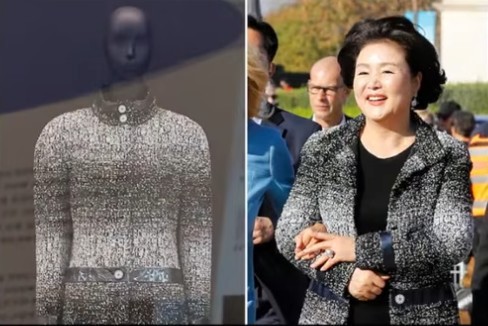
Despite those acquittals, Kim wasn't completely off the hook. The court found her guilty of influence peddling related to luxury gifts-including that infamous Dior bag and a high-end necklace worth about 60 million won-allegedly from people connected to the Unification Church. The sentence: one year and eight months in prison.
The defense immediately signaled they'll appeal, calling the sentence "excessively harsh." Their argument? There's no evidence of a "quid pro quo"-no proof that Yoon actually did special favors for the Unification Church in exchange for these gifts.
Defense attorneys also attacked the evidence itself. They pointed out the court relied on "usage marks" examined with smartphone flashlights rather than DNA testing. "That's not scientific evidence," they argued, insisting Kim never wore the necklace and planned to return the gifts all along.
Was This a Witch Hunt?
Here's where things get political. Sources close to the Yoon administration claim this whole prosecution was overkill. They point out that prosecutors-led by figures like Min Joong-gi-spent 19 months investigating under the previous government and still couldn't find enough for an indictment. Now suddenly there's a conviction?
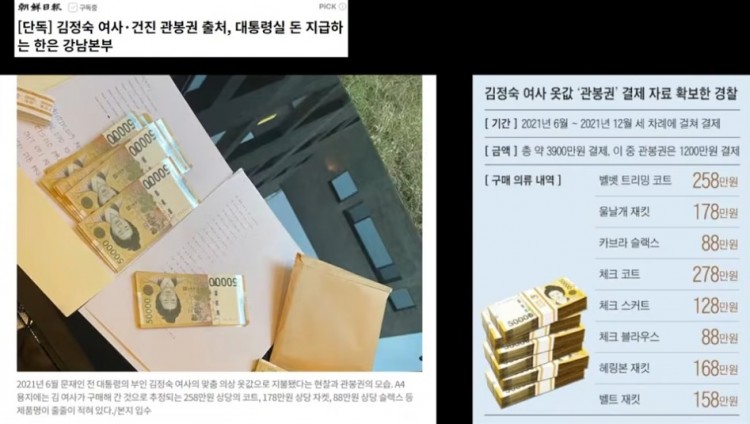
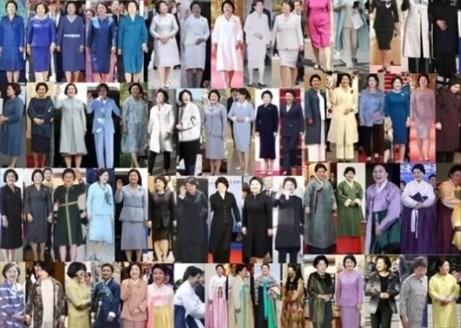
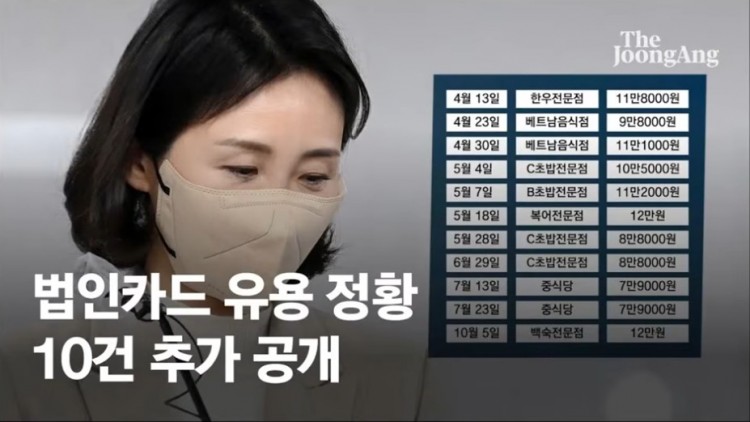
The verdict has also turned attention back toward Democratic Party figures. Critics are asking why there's so much focus on Kim Keon-hee while other first ladies seem to get a pass. They point to former First Lady Kim Jung-sook and Democratic Party leader Lee Jae-myung's wife Kim Hye-kyung, both of whom have faced allegations about misusing public funds for luxury items-without facing similar prosecution.
Then there's what critics call Democratic Party President Lee Jae-myung's "national-scale stock manipulation"-allegations he pressured the national pension fund to pump up KOSPI values artificially. That story has gotten far less attention than Kim's Dior bag.
The Bigger Picture: Double Standards?
The mixed verdict raises uncomfortable questions about South Korea's justice system. Why do some cases get 19-month investigations while others barely get examined? Why are some first ladies prosecuted while others aren't?
Democratic Party supporters see the conviction as proof that no one is above the law-not even the president's wife. People Power Party supporters see selective prosecution designed to destroy their political movement while protecting the Democratic Party.
What Happens Next
The case now heads to appellate court, where the defense will argue the conviction should be overturned entirely. Legal experts say appeals courts often reduce sentences in cases like this, especially when the evidence is contested.
But the political damage-or benefit, depending on which side you're on-is already done. The acquittals on stock manipulation and opinion rigging have weakened what had been the Democratic Party's strongest attacks. Critics like Han Dong-hoon, who allegedly used these scandals to pressure Yoon toward impeachment, now have less ammunition.
As the legal battle continues, the focus may shift away from Kim Keon-hee's conduct and toward what the People Power Party calls the "global election fraud cartel" and Democratic Party financial scandals. With the major narratives legally challenged, we might be heading into a very different political landscape in 2026.
The question isn't really whether Kim Keon-hee broke the law-the court says she did, at least regarding the gifts. The question is whether justice is being applied evenly, or whether South Korea's courts have become another battlefield in an increasingly bitter political war.


